From Hyperfocus to Burnout: My Journey with Low Self-Esteem in Indie Development
Indie dev Takuya Matsuyama recounts his burnout, driven by hyperfocus and low self-esteem. He shares his journey to self-acceptance and prioritizing mental well-being.
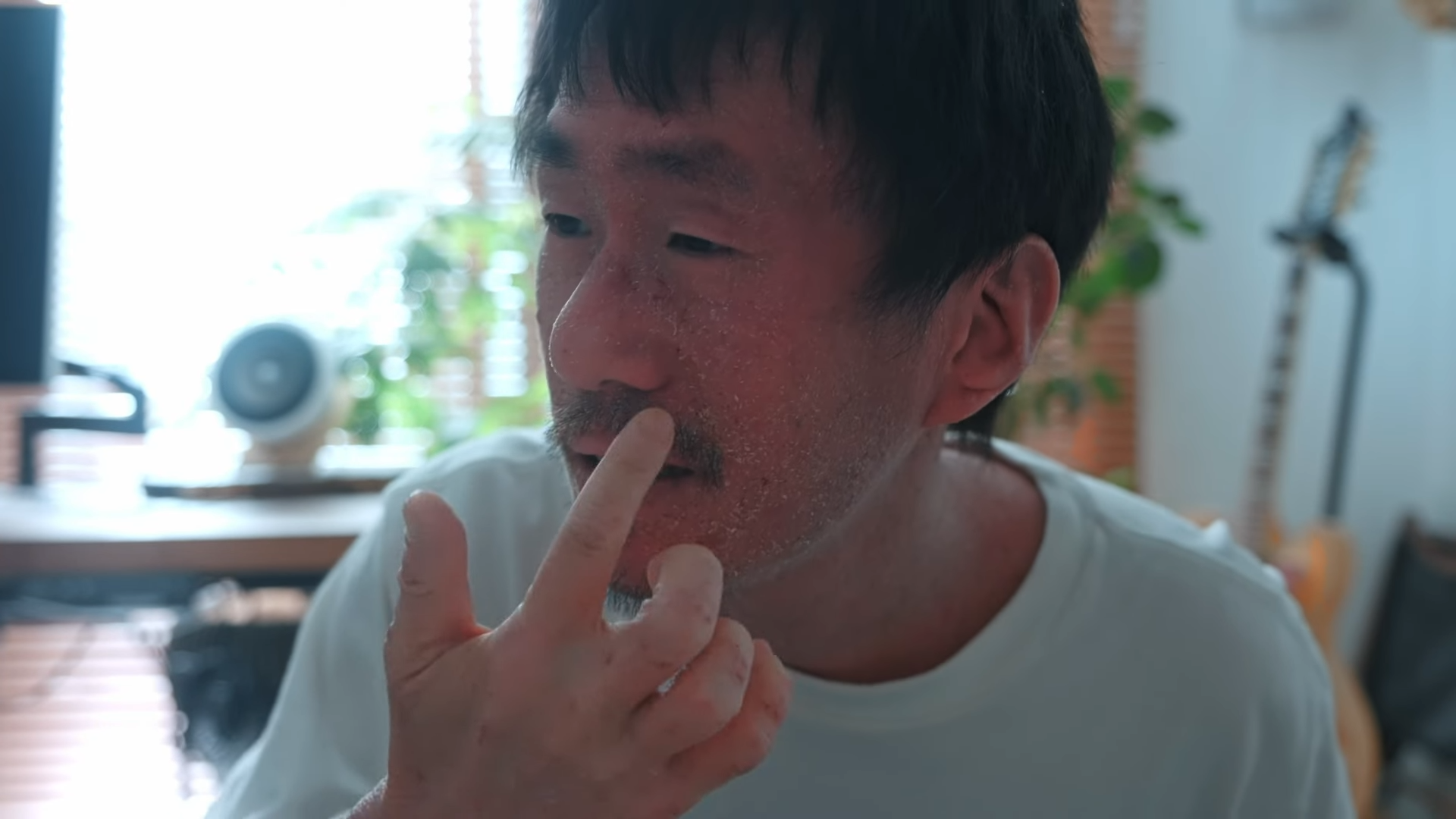
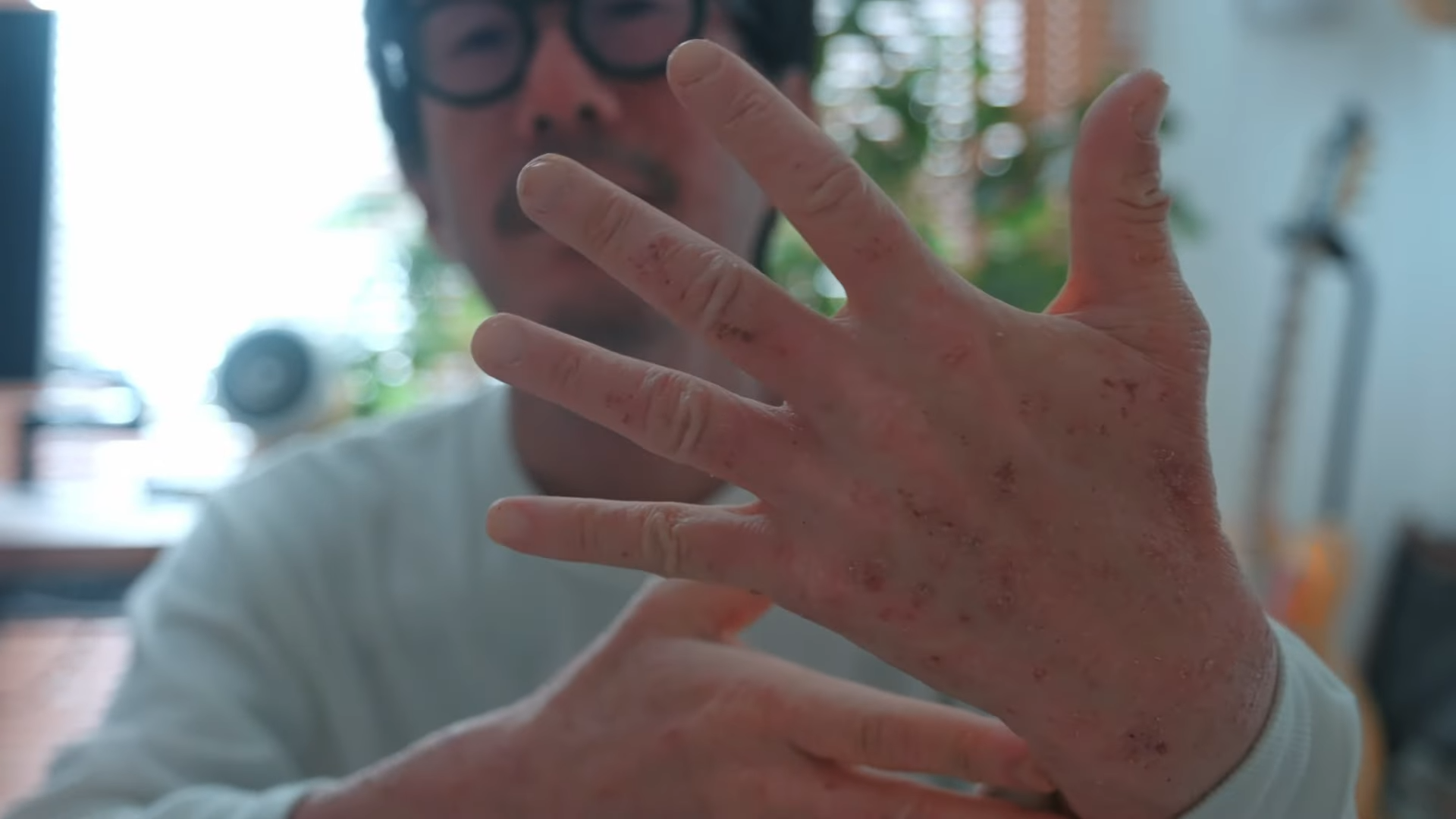
Hello, I'm Takuya. Recently, I pushed myself too hard with indie development and became ill, as I shared in a recent video on my channel. My atopic dermatitis flared up severely, dramatically reducing my quality of life—it was quite literally hell. I'm still in recovery, but I've been walking over 10,000 steps daily and am slowly improving.
To prevent repeating this mistake, I wanted to delve into why I tend to overwork. Mental health in indie development is often overlooked, so I hope this reflection might help others in similar situations.
My face
 My hand
TL;DR
- Looking back on my roots
- How coding gave me a reason to live
- My formative experience gave me an unhealthy motivation
- Seeing it as an unfixable bug in my system
- Accepting myself just as I am, regardless of the app’s success
- Why I haven't given up: I’m basically optimistic, despite it all
- My users told me to rest – with no 'deadline'
- Life is long. Don’t die over app development!
Looking Back on My Roots
It's been about eight years since I started living solely off the app I built. People often describe this as a dream lifestyle—making a living from your own creation. And indeed, I'm genuinely grateful for it. However, beneath the freedom and independence lies a quiet loneliness and a persistent fear that if you stumble, no one will be there to catch you.
My app is a note-taking application, and this market is fiercely competitive—a true "red ocean." The constant anxiety of losing users to competitors is always present, gnawing at the back of my mind.
My obsessive drive in indie development stems from a profound, personal experience. During college, I went through a dark period where my relationships suddenly began to unravel. Friends grew distant or rejected me, I was emotionally shaken, and even my relationship with my parents deteriorated. I felt worthless, as if I didn't deserve to exist. I was deeply depressed.
How Coding Gave Me a Reason to Live
Despite my struggles, I continued creating small tools and uploading them to my website. One day, a message appeared: "Your software helped me solve my problem. Thank you!"
That single line deeply impacted me.
My initial foray into programming was driven by a desire to create an action RPG akin to The Legend of Zelda. Given the scarcity of development tools at the time, I had to build everything from scratch, including a map editor and character designer. This process taught me how to develop Windows applications, eventually leading to small tools like a P2P file transfer app and an automatic MP3 tagger.
I continued this quietly throughout college.
Receiving that "thank you" for something I had created was truly life-changing. It made me realize, perhaps I do have value. Nobody around me—not even my parents—truly grasped what I was doing, but that one message infused my life with meaning.
My Formative Experience Led to Unhealthy Motivation
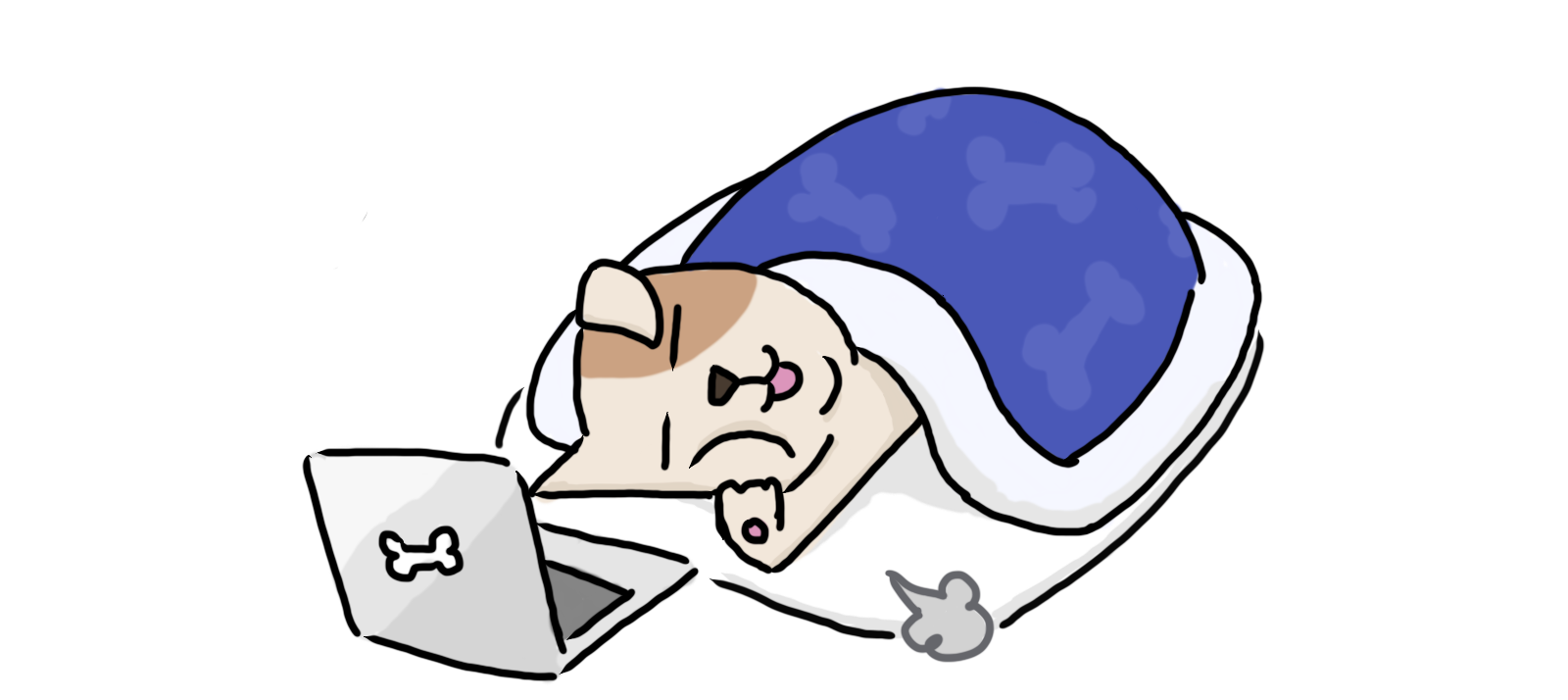
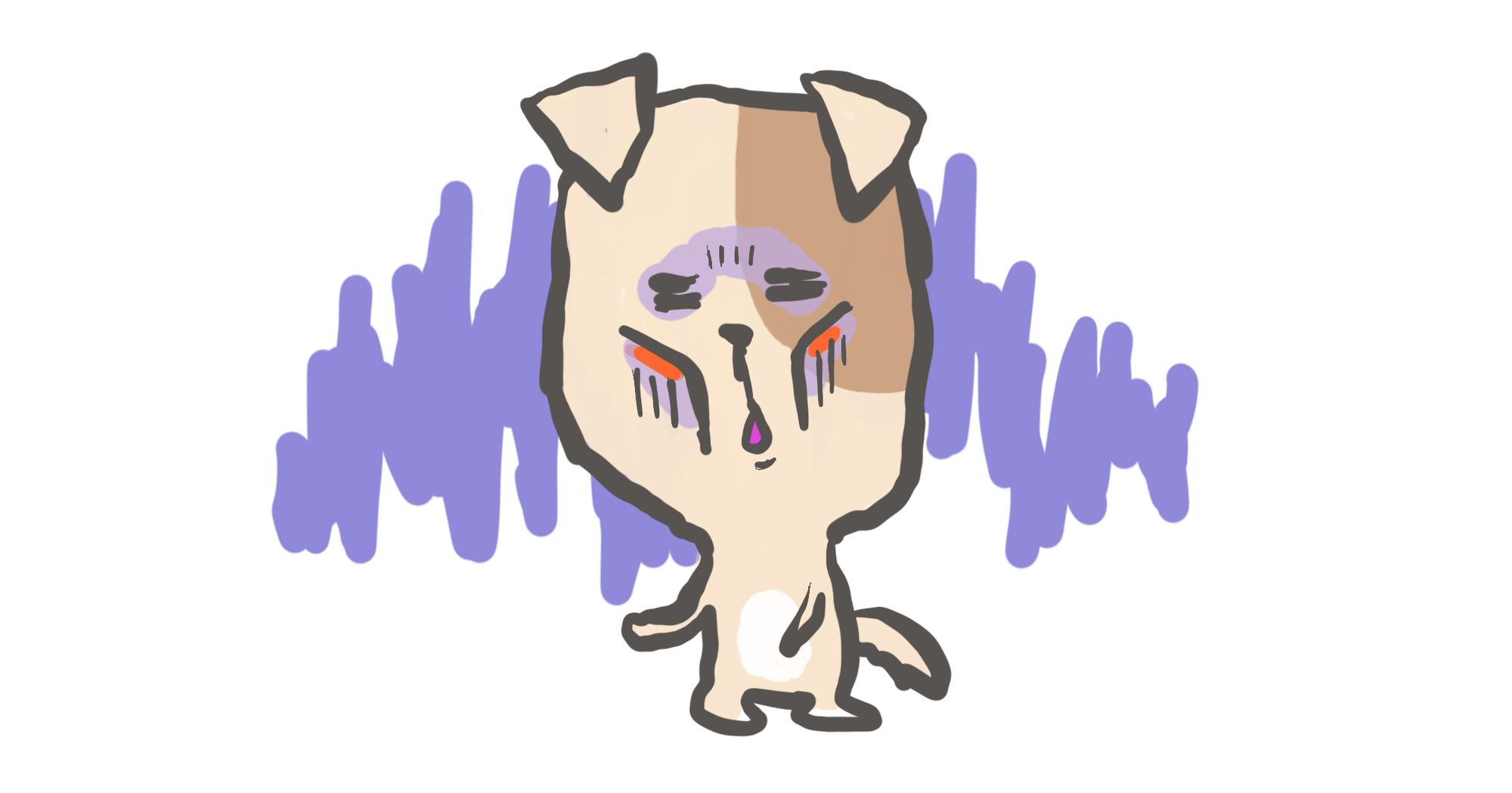 Inu-san suffering from conditional love for himself
On the surface, this sounds like an inspiring story, and it was. However, it didn't resolve my deeper issue: a lack of self-esteem. That experience instilled in me a conditional sense of self-worth—I only felt valuable if my users appreciated what I built. Without that validation, I felt meaningless. My happiness was entirely dependent on users' approval, setting an incredibly high bar.
If my work didn't gain attention, I plunged into emptiness. And when it did, that attention quickly faded. This cycle offered no lasting self-esteem, so I constantly pushed harder, relentlessly chasing that feeling of validation.
Ironically, my early success in indie development fueled an unhealthy drive.
This might sound extreme, right? I believe it stems from one of my innate traits.
My Extreme Hyperfocus: A Mother's Concern
As I mentioned, I used to create games. I'd come home from school, have dinner, and then remain glued to the computer—coding, composing, and drawing sprites.
One day, my mom, with a serious tone, asked, "Why do you have to work that hard?" I had no answer. My mind was simply filled with tasks I felt compelled to complete, leaving no room for other thoughts. Building a full action game solo was an insane challenge, and before I knew it, I was already graduating high school.
(Side note: Before my high school entrance exams, my parents actually hid the keyboard to prevent me from using the computer. 😂)
I don't have ADHD, but once I concentrate on something, I develop tunnel vision. Even when exhausted, I'd tell myself, "Just until it compiles," or "Just until I fix this bug." When deeply immersed in code, I've done ridiculous things—like walking into a closet thinking it was the bathroom, or biking to the gym and then walking home, completely forgetting the bike. If you've had similar experiences, consider them a warning sign, not something to brag about.
This trait of mine unequivocally reinforced my belief that "I'll only be happy if I succeed in indie development."
Seeing It As an Unfixable Bug in My System
This overfocus clearly jeopardizes my health, yet it's not something I can simply "fix."
It's akin to an RPG character with severely unbalanced parameters. Or a system where, once a command is issued, it cannot be altered for ten turns. That's just how I'm wired; I have no choice but to accept it.
So, I decided to treat this trait as an unfixable bug within my personal system.
An intriguing concept in evolutionary medicine posits that highly specialized traits often come with inherent fragilities. For instance, thoroughbred racehorses are bred for speed, but their bones become so thin and delicate that about one in a thousand races ends with a broken leg. As writer Akira Tachibana suggests, perhaps our highly specialized minds—optimized for creativity or intelligence—come with a similar kind of fragility.
This is merely an analogy, but it deeply resonated with me. I might possess a talent for building apps, but it comes at the cost of this extreme focus. If I acknowledge from the outset that I'm "a car with great acceleration but weak brakes," I can proactively plan around this limitation.
Accepting Myself Just As I Am, Regardless of the App’s Success
A lack of self-esteem is a profound and intricate personal issue. To rectify my unhealthy motivation, I must reframe that core experience—to accept that "I am a valuable person whether my app succeeds or not." Intellectually, I've absorbed this from countless books, but understanding it in my head and truly believing it in my heart are vastly different. That old "thank you" message remains such a powerful memory that it still largely defines my sense of worth.
Therefore, learning to accept myself unconditionally appears to be a lifelong endeavor, something I might gradually improve with age, or perhaps finally grasp just before I die. Perhaps reliving my childhood through raising my own children will one day help heal those old wounds and fill that missing piece of self-esteem.
Why I Haven't Given Up: Innate Optimism
Despite my struggle with self-esteem, I maintain an incredibly optimistic outlook when it comes to indie development. No matter how much effort I pour into an app that ultimately flops, I don't stay down for long. My mindset is always, "Well, I've done my best. Yoroshiku-onegaishimaaaasu! (Whatever happens, happens!)"—and then I release it.
If it fails, I simply analyze what went wrong and move forward.
Everything is an experiment.
When I remind myself of this, even failure feels like valuable data—something to learn from, not to fear. This very post is an experiment: "What happens if I openly discuss mental health?"—let's find out.
Although overworking led to my illness, it also compelled me to pause and reflect deeply on my life. While enduring the relentless itch of my dermatitis, I've been brainstorming video ideas and planning how I want to structure my comeback week.
I intend to write another post detailing my work plan post-recovery.
My Users Told Me to Rest—With No 'Deadline'
One might assume that after experiencing such pain, I'd want to abandon indie development entirely—but not at all. As I've said, I'm still an optimist. If I truly couldn't handle it, I would have returned to freelancing long ago. However, when my body began showing warning signs, I had already lost sight of the joy in working on the project.
I was consumed by competition, anxious about user churn graphs, and couldn't stop thinking about the app even in bed. I wasn't getting proper rest.
A significant reason for this was the fear that if I ceased development, users would immediately abandon me. Yet, when I finally mustered the courage to announce a break, I received messages like these:
After reading these comments, I realized that I should not set a "deadline" to get recovered, as it can be another pressure that hinders my healing from atopy. So, I've decided to drop the return date and fully focus on getting better. Thanks you so much for your kind words!!!!🙏
pic.twitter.com/Zi5RqsSeZR
— Takuya 🐾 devaslife (@inkdrop_app) September 30, 2025
@philocoder said: "Hi Takuya, I’m sure no one expects you to 'get back to work as soon as possible and continue developing the app.' So please don’t limit yourself to just a week or two—rest until you feel 'completely fine'. As someone who also sees himself as productive like you, I can easily say that 'free time' isn’t such a bad thing. There’s a unique feeling in having a period when your mind is completely free from work. I’m also quite sure that the longer the break you take, the better you’ll feel. If I were you, I’d treat this 'illness' as an opportunity and keep on idling for a while even after I’d fully recovered :p Hope you get well soon."
@brendanaw said: "Takuya-san there's no need to explain. Please take care of your health before anything else. You don't owe anyone any explanation. I understand the need to document and 'report' to your fans but never feel obligated. It's a good to know for us fans but for you I'm sure you feel the pressure and stress to not want to disappoint us for not sticking to your regular posting schedule. Never apologize and I wish you a speedy recovery. Continue to post whenever you are feeling better physically and mentally. Take as long as a break you need :) お大事にね!"
The community’s response was overwhelmingly positive—not a single comment like "Inkdrop is dead." Instead, most people urged, "Take a proper rest!"
That truly moved me. As I rested, I felt my mind settle and my perspective broaden once more. I'll write another entry about how that period of rest transformed me mentally and physically.
Life Is Long. Don’t Die Over App Development!
In this article, I revisited my past to understand why I tend to overwork myself. Did any part of it resonate with you? What early experiences shaped your motivation to work? I'd love to hear your thoughts in the comments.
Thanks for reading. Inkdrop is a Markdown-focused note-taking app for developers. I’ve been developing it for over eight years. If you’re looking for a notes app, check it out: