Global Gaming Report: Nearly Half of Players Are Women, Mobile Dominates
A new ESA report reveals 48% of global gamers are women, with mobile as the preferred device for all players. The study highlights gaming's positive influence on skills and professional development.
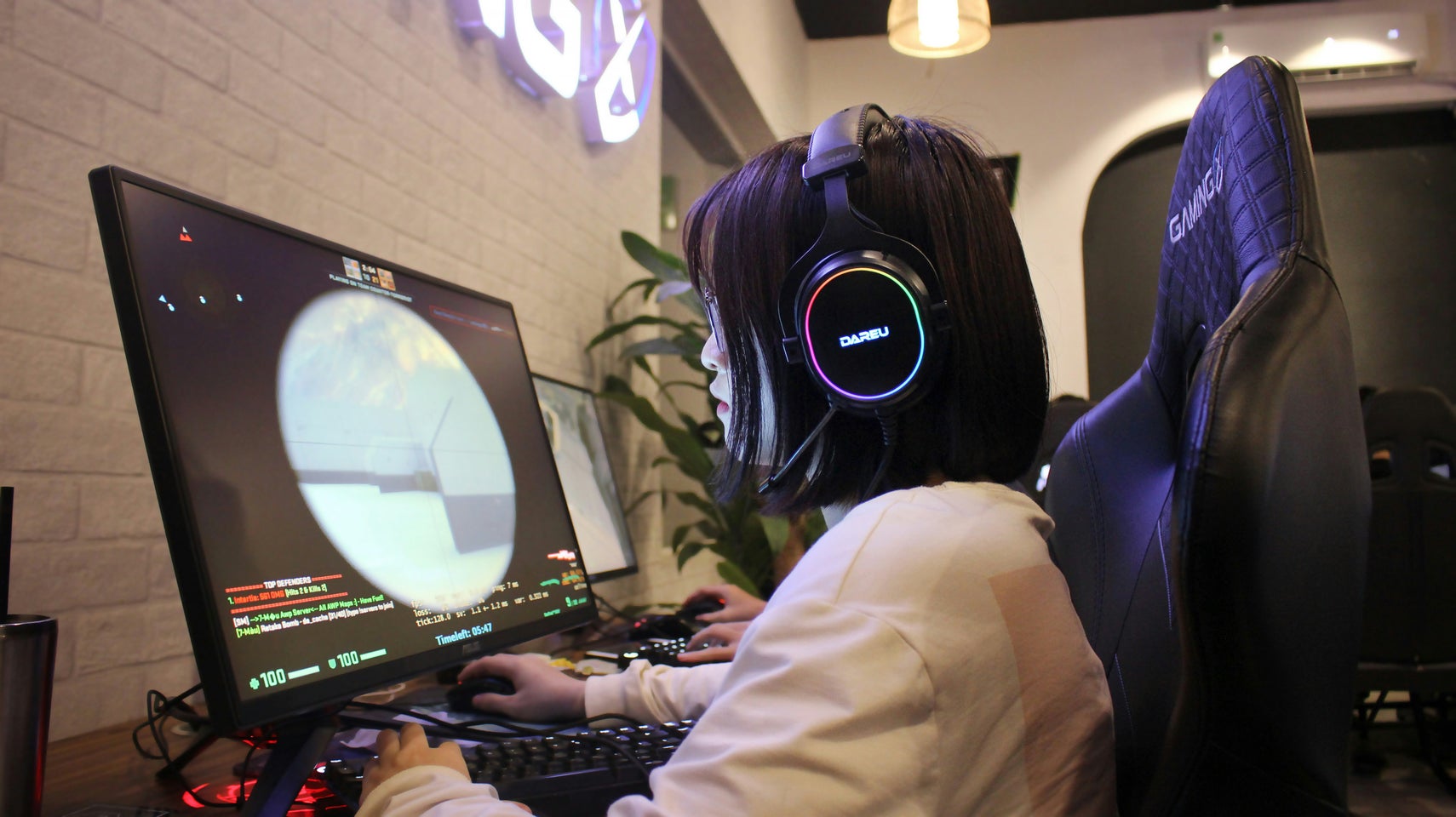
The Entertainment Software Association (ESA) has published its 2025 Global Power of Play report, revealing that just under half of all gamers worldwide are women. This comprehensive report, compiled in partnership with major trade associations across six continents—including UKIE, Video Games Europe, and IGEA (Australia and New Zealand)—is based on a survey of 24,216 active (weekly) players over 16 from 21 countries. Global consumer research company AudienceNet collated the results.
According to ESA president Stanley Pierre-Louis, the global gender ratio shows significant shifts. "There are more women players than men players in 10 of the 21 countries, and two more countries have a 50/50 split," he noted in an interview with GamesIndustry.biz. Notably, Brazil reported 57% women players to 43% men, and South Africa showed 58% women to 41% men.

While mobile remains the overwhelmingly preferred device for women (64%), Pierre-Louis points out that "nearly half of men play games on mobile devices and it's their most used device as well – so the gap isn't as wide as people would suspect." Overall, mobile is the top device choice for 55% of players, with PC/laptop and console/handheld preferences each at 21%.
The 2025 report marks an expansion from the ESA's first Global Power of Play report in 2023, which covered only 12 countries. Pierre-Louis emphasized the importance of this increased scope to ensure an "accurate and complete story" of global gamers. He explained, "We were committed to having more countries involved and voices from every continent... to capture more of the world's population and to feel like 'global' was more accurate than our first report in 2023 without being cost and time prohibitive."
The report also delves into the motivations for playing. "Having fun" was the most important reason for 66% of respondents, followed by "stress relief" (58%) and "mental stimulation" (45%). Players also identified key skills improved through video gaming, with "creativity" leading at 77%, "problem-solving" at 76%, and "teamwork and collaboration skills" at 74%. "Adaptability, critical thinking, and communication skills" were also highly rated.
Beyond personal development, the study found that half of global players believe gaming has "directly bolstered their professional and education through technical or behavioural skills," and just under half stated it had "influenced their career or educational path."
Pierre-Louis expressed his hope that the 2025 Global Power of Play report will highlight the "positive influence of games beyond entertainment." He elaborated, "Gameplay brings families together across generations, doctors use games and game technologies for treatment and therapies, and the industry’s creative works and technologies influence nearly every single industry, from entertainment to retail, and sports to fashion." He concluded by aiming to "dispel some outdated and unfortunate stereotypes about who plays games and casts a bright light on the enormous benefits available to players," underscoring that "billions of people around the world play video games and... everyone can experience the benefits of play because games are good."