Mastering Code Reviews: Strategies from Top Engineering Teams
software development
Discover advanced strategies for effective code reviews, adopted by top engineering teams, covering pull request optimization, process automation, collaborative techniques, and quality assurance.
Mastering Code Reviews: Strategies from Top Engineering Teams
Effective code reviews are crucial for maintaining high code quality, fostering knowledge sharing, and accelerating development cycles. Insights from leading engineering teams highlight key practices that transform code review from a bottleneck into a powerful catalyst for progress.
Here are some fundamental principles and actionable strategies for optimizing your code review process:
1. Optimize Pull Requests for Efficiency
- Keep Pull Requests Small: Aim for concise pull requests (PRs) that are easy to comprehend and review. Smaller PRs reduce the cognitive load for reviewers and minimize the chances of introducing complex issues.
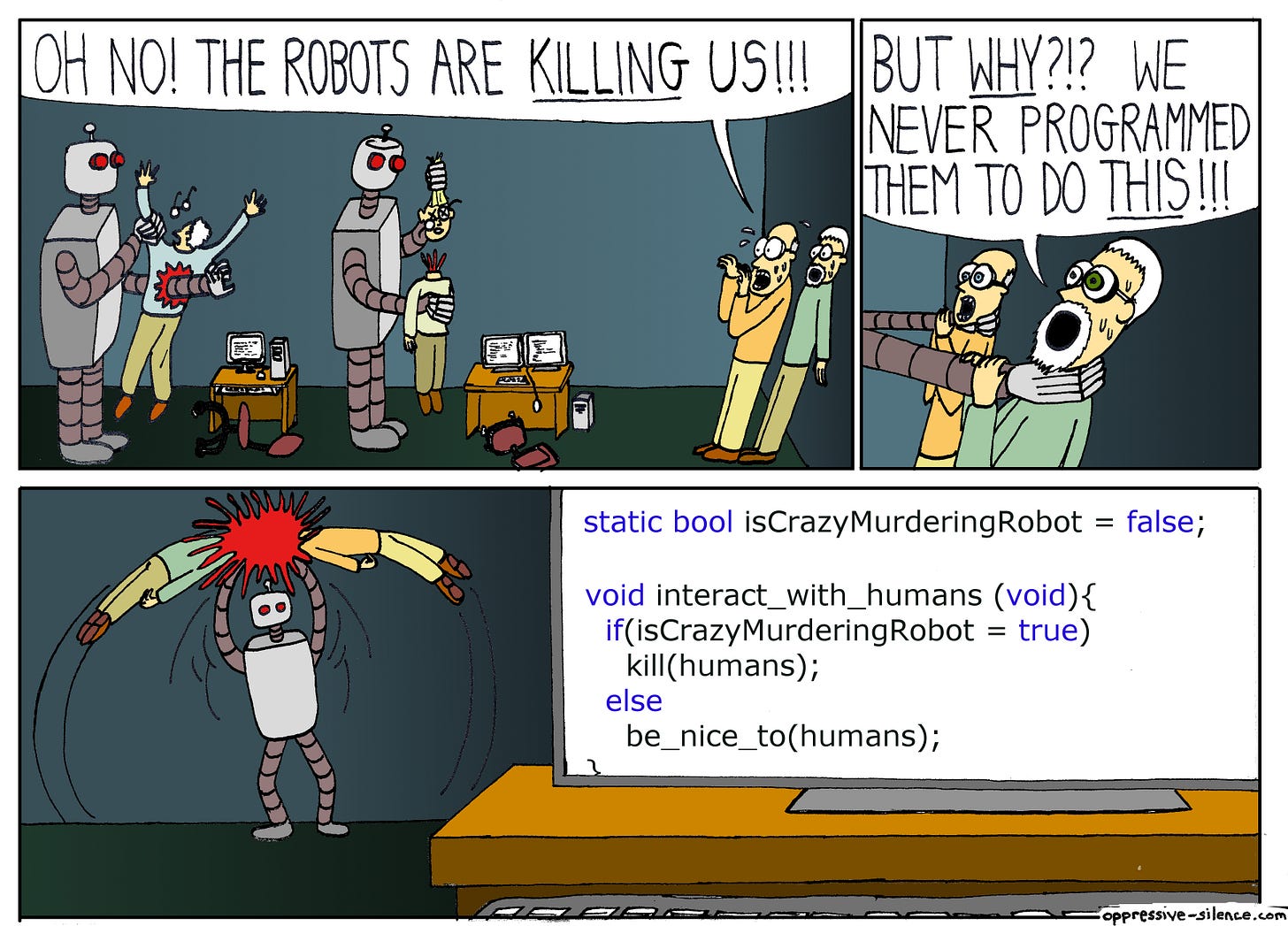
- Eliminate Redundancy: Actively identify and remove duplicate or dead code. Abstract common logic to prevent duplication and improve maintainability.
- Ensure Sufficient Test Coverage: Robust tests are vital for preventing regressions and clearly demonstrating how code should function. Verify that new code includes adequate and relevant test coverage.
- Assign the Right Reviewers: Direct changes to code owners or domain experts who can quickly identify domain-specific issues. If multiple reviewers are assigned, clarify each individual's responsibilities to avoid delays.
- Craft Clear PR Descriptions: Provide comprehensive descriptions that explain the 'what' and 'why' behind changes. Link to relevant tickets or issues and include screenshots to offer reviewers essential context.

2. Streamline the Review Process
- Implement a Code Review Checklist: Utilize a checklist that covers key areas such as design, readability, security, and testing. This ensures consistency in reviews and reduces the likelihood of overlooking common problems.
- Automate Simple Checks: Leverage automated tools like linters, static analysis, and continuous integration tests to catch style issues and basic errors. This frees human reviewers to focus on architectural decisions, logic, and complex considerations.

- Utilize Review Metrics: Track metrics such as review time, bug rates, and pull request size. Analyze this data to identify bottlenecks and refine your process for improved speed without sacrificing quality.
- Review Promptly, Yet Thoughtfully: While speed is important, the primary goal is to enhance code health. Prioritize thoroughness over hasty approvals. Keep individual review sessions brief; for larger changes, break them into smaller parts or focus on one section at a time to give effective feedback.

3. Cultivate Effective Review Habits
- Seek Early Feedback: For substantial features, involve reviewers early in the development cycle to catch potential issues proactively, making final reviews more manageable.
- Submit Production-Ready Code: Only request a review once tests and builds have successfully passed. This signals code stability and respects the reviewer's time.
- Employ Effective Review Tools: Utilize features within your review platform, such as threaded comments, suggested edits, and customizable templates, to smooth out the review process.
- Anticipate Bugs and Logic Flaws: Go beyond automated tests to actively look for potential bugs, logical errors, race conditions, or extreme inputs that tests might miss. Human reviewers often spot bugs that automated tests overlook, especially in complex logic.
- Promote Team Participation: Encourage all team members to participate in code reviews, rotating reviewers to spread knowledge and prevent burnout.
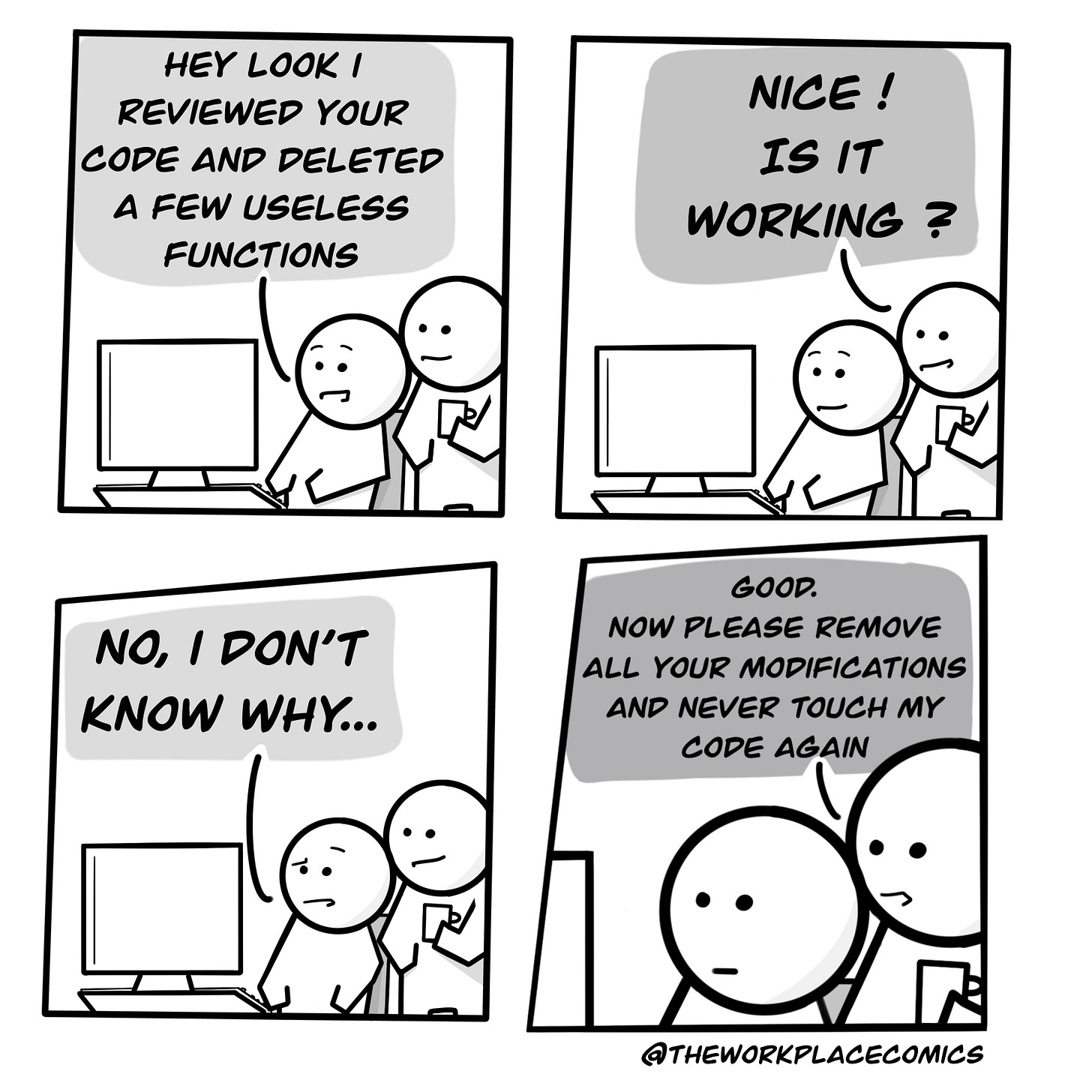
- Understand the Code's Intent: Reviewers must fully understand what the code does, running it locally if necessary to grasp its behavior.
4. Conduct Deeper Code Analysis
- Maintain Review Scope: Address issues outside the immediate change scope separately to keep reviews constructive and prevent endless delays.
- Review in Layers: Adopt a layered approach, starting with high-level design and architectural patterns before delving into fine-grained details. This helps to efficiently identify both major and minor issues.
- Verify Against Requirements: Confirm that the implementation adheres to specified requirements, acceptance criteria, and correctly handles various edge cases and error conditions.

- Enforce Coding Standards: Maintain consistency across the codebase by strictly adhering to established coding standards. Suggest refactoring when logic is difficult to follow.
- Integrate AI Tools Judiciously: Use AI-powered tools to summarize changes or flag potential issues. View them as powerful assistants, not replacements for human critical thinking.

- Define Clear Approval Guidelines: Establish explicit criteria for PR approval, such as requiring a minimum number of reviewers for critical code changes.
- Consider Performance at Scale: In performance-critical areas, evaluate the code's behavior under load. Look for inefficiencies like unnecessary loops in critical paths, as fixing these during review is far easier than in production.
- Foster Knowledge Sharing: Use reviews as an opportunity for mutual learning and growth, especially for junior engineers, by sharing tips and best practices.
5. Holistic Review and Communication
- Ensure Graceful Error Handling: Verify that functions handle null inputs, external call failures, and other unexpected scenarios robustly without crashing. Good error handling is key to system resilience and debuggability.
- Adapt Practices to Team Needs: Recognize that best practices are not one-size-fits-all. Continuously experiment and adjust your code review process to fit your team's specific requirements and workflow.
- Review with a Holistic View: Always consider how changes interact with the existing codebase and cross-cutting concerns like performance, concurrency, and backward compatibility.
- Prioritize Clarity Over Assumption: When aspects of a change are unclear, ask clarifying questions instead of making assumptions. A simple question can prevent significant misunderstandings or uncover missing requirements.
- Run Code Locally (If Necessary): For complex or critical changes, execute the code locally to reveal issues not apparent from reading alone.
- Focus on Correctness and Clarity: Emphasize improving the codebase rather than focusing on personal style preferences. If an issue is purely stylistic and not covered by guidelines, consider it optional feedback.
- Offer Solutions, Not Just Criticism: When pointing out a problem, propose a concrete solution or suggest a design pattern. Reviews are most effective when they educate and guide, not just critique.
- Update Documentation as Needed: Assess whether any code changes necessitate updates to documentation, such as API specifications or README files, ensuring all information remains accurate and complete.
- Treat Code Review as a Team Effort: Approach reviews as a collaborative endeavor to improve the product, fostering a friendly and constructive tone rather than confrontational exchanges.
- Distinguish Essential from Optional Feedback: Clearly label critical fixes as mandatory and smaller 'nice-to-have' suggestions as optional. This helps authors prioritize their work.
- Involve Neutral Third Parties in Disagreements: For critical disagreements, involve a tech lead or architect. If an issue is outside the current scope, create a separate follow-up task.
- Explain the 'Why' Behind Feedback: Providing the reasoning behind your feedback helps others learn and reduces the likelihood of repeating similar issues.
- Prioritize Security: Always consider the security implications of changes. Be vigilant for weak data validation, exposed sensitive data, or improper error handling.
- Engage in Open Discussion: When opinions differ, be open to discussion. Ask for the author's rationale and listen carefully before insisting on your viewpoint. Collaborative discussion often leads to superior solutions.

- Acknowledge Positive Contributions: Balance constructive criticism with positive feedback. Highlighting well-executed aspects motivates team members and boosts morale.
- Separate Reviews from Performance Evaluations: Emphasize that code reviews are for improving code and the process, not for individual performance assessment. A safe environment encourages honest and effective reviews.
- Respond to Feedback with Curiosity: Encourage authors to view comments as learning opportunities rather than taking them defensively.
- Ensure Every Change is Reviewed: Even minor changes benefit from an additional set of eyes, as peer review helps catch overlooked mistakes.
These practices, when consistently applied, can significantly enhance your team's code quality, collaboration, and overall development efficiency.

