The Age of Demanding Software: Reclaiming Digital Autonomy
Modern software increasingly prioritizes its own 'needs' over users', demanding accounts, incessant updates, intrusive notifications, and unwelcome onboarding. Reclaim digital autonomy.
The Age of Demanding Software
It's likely you've observed a significant shift in our interaction with software. Historically, programs were designed to serve your needs: they offered functionality, obeyed commands, and put you in control. You dictated; they performed.
However, over the last decade or so, this dynamic has subtly but profoundly changed. Modern applications (or 'apps') have begun to assert their own 'needs,' demanding things from users.
Accounts
The insistence on user accounts is perhaps the most obvious example. As a user, I rarely require an account for core functionality. Yet, applications persistently claim I need one, not them. This is a requirement imposed by the software provider, not a user necessity. I already manage more accounts than a small town's population.
The truly frustrating part is that even if you concede and create an account, the demands never cease. You're asked for two-factor authentication, then frequent password changes, then inexplicably logged out. The cycle is endless. This phenomenon has become so prevalent that encountering an application without an account requirement feels genuinely refreshing.
Some might argue, "Accounts are essential for syncing data across devices." This isn't true. Syncthing, for instance, is a secure, distributed multi-machine application that functions perfectly without a user account. "But what about paid subscriptions?" Mullvad VPN, a service that accepts payments, never requested my email address. Why can these services operate account-free, while a simple code editor or terminal application allegedly cannot?
Updates
Every modern program now incorporates an update mechanism, constantly checking for new versions. Some notoriously bad ones even prevent access until an update is installed, notifying you mere seconds after a new release.
But do we, the users, genuinely need these incessant updates? Did we ask for them?
I've been running barebones Nvidia drivers, deliberately avoiding their bloated desktop application (partly because it demands an account). Consequently, I receive no automatic notifications for new drivers. And you know what? It has been absolutely fine. I can go months without updating, and everything continues to work seamlessly. It's surprisingly liberating.
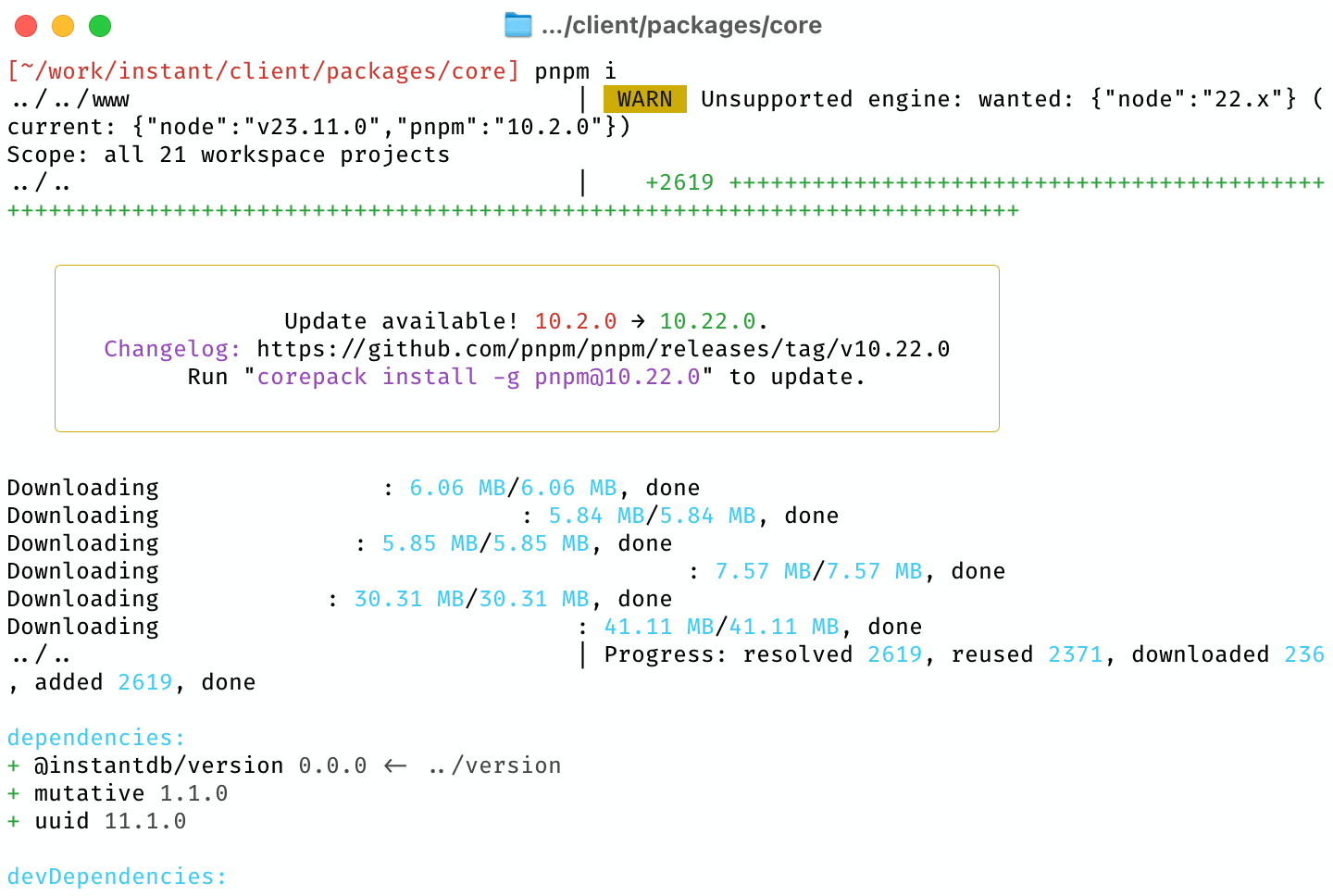
Even terminal programs now prompt for updates. A major Syncthing release occurred in August. How did I discover it? By chance, through a friend. And I'm perfectly content with that. Upgrading wouldn't fundamentally alter my daily life; the current version works perfectly. So, do I truly need an update? Is it my need?
The answer is simple: if I genuinely need an update, I'll know. I'll encounter a bug or a missing feature. Only then will I seek it out and install it. Until then, the constant prodding is unwelcome.
Notifications
Notifications exemplify this 'neediness' perfectly: an inanimate piece of software interrupting its user about something unsolicited. Who holds priority here – the human or the machine?
Notifications often feel like forced to-do list items, imposed by another entity. It's not the user's responsibility to constantly dismiss a program's alerts.
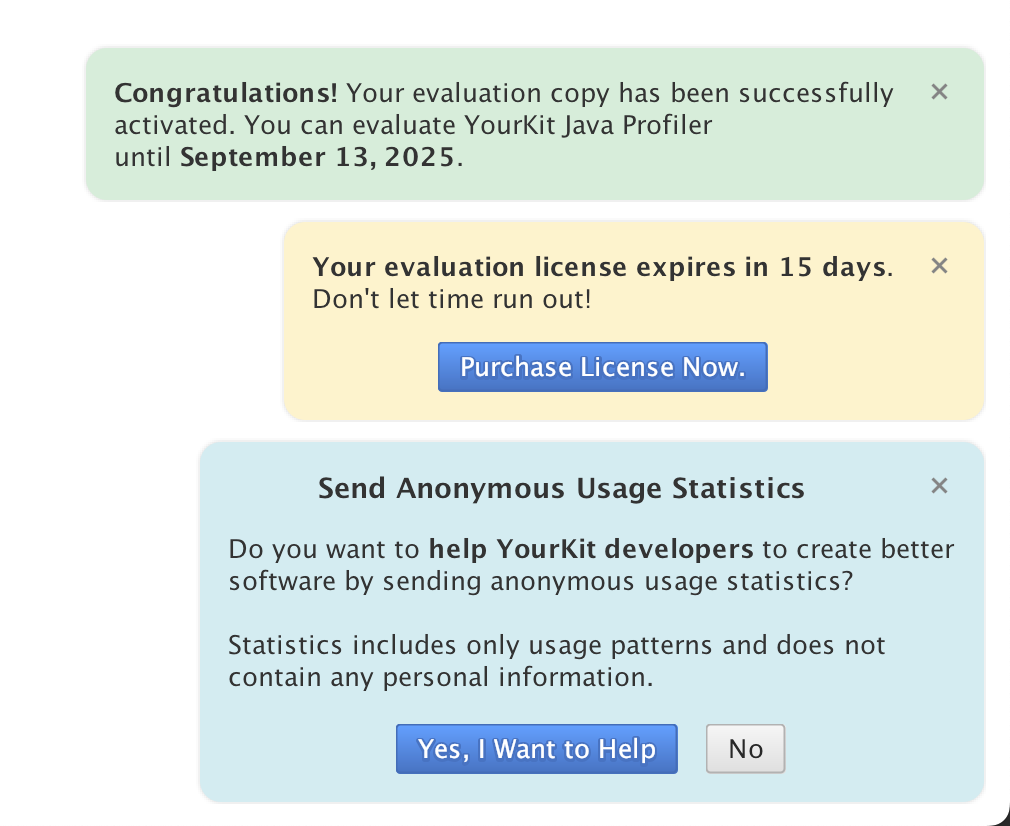
I just downloaded this app and already have three notifications to dismiss.
Of course, some notifications are genuinely useful. Users may need alerts for critical events, such as the completion of a long-running process. However, the general practice has been so severely misused that its overall justification is difficult. While one might argue giving a toddler a gun could help it protect itself, the likelihood of far worse outcomes is much higher and immediate.
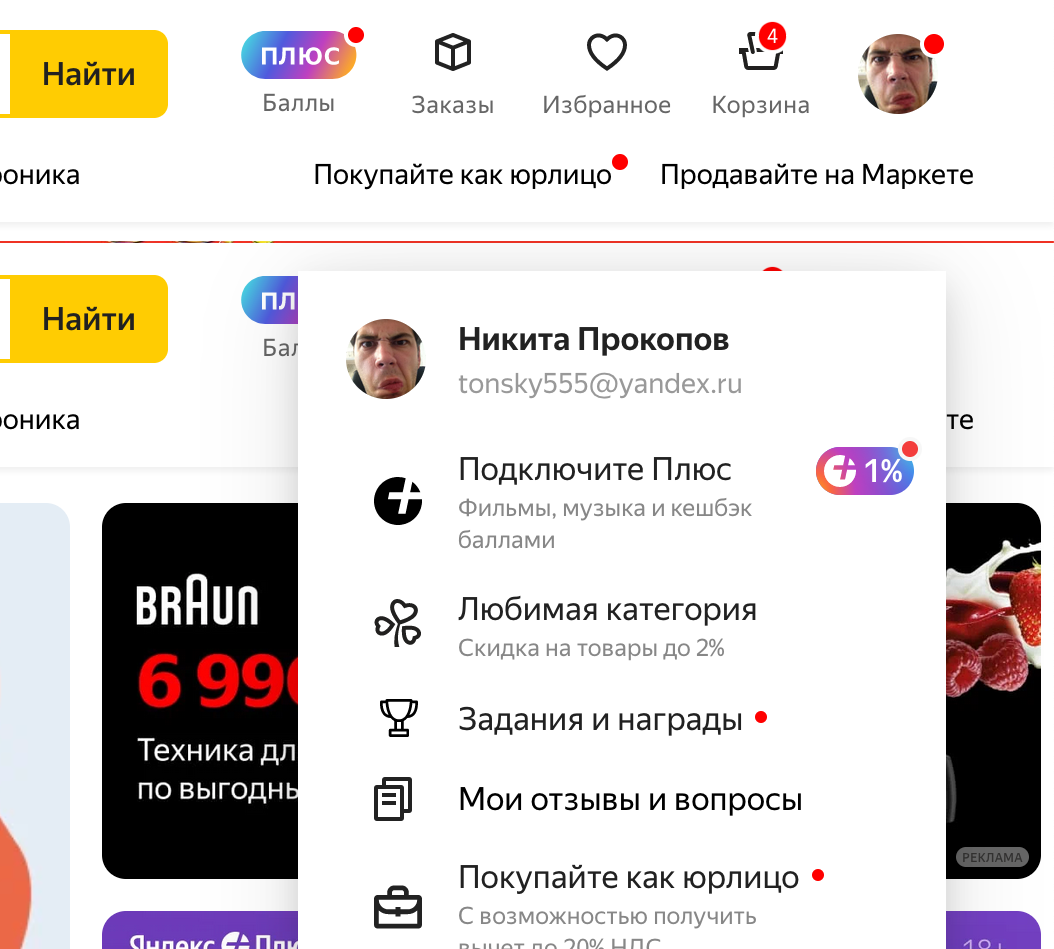
These pervasive notification dots.
There's no compelling reason, for instance, why a code editor requires a notification system. What crucial information needs immediate alerting? Updates? Sublime Text operates flawlessly without notifications, and I've never felt uninformed using it.
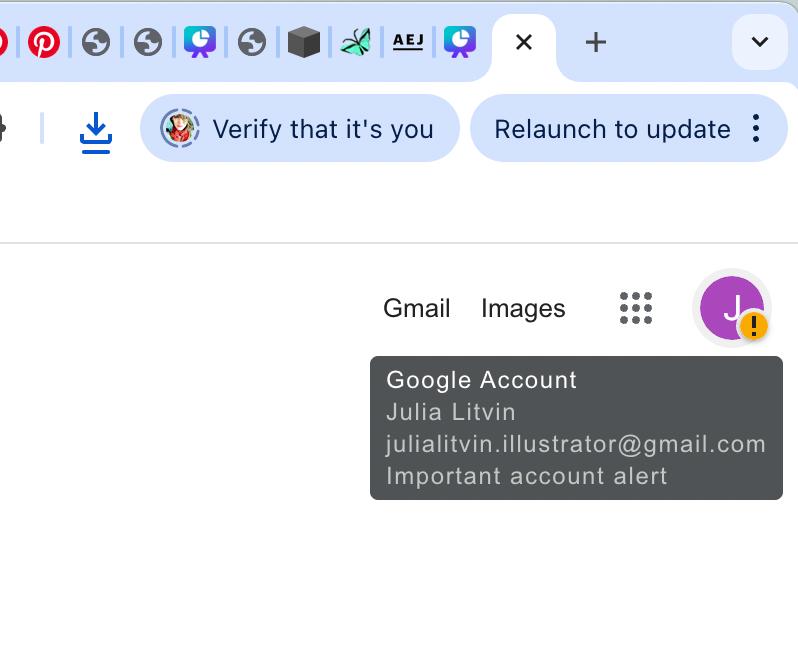
The quintessential example: requiring accounts, updates, and notifications.
Onboarding
Consider the company's need to announce a new feature via a pop-up window. Read that again: The company needs. This isn't about the user's benefit; it never has been.
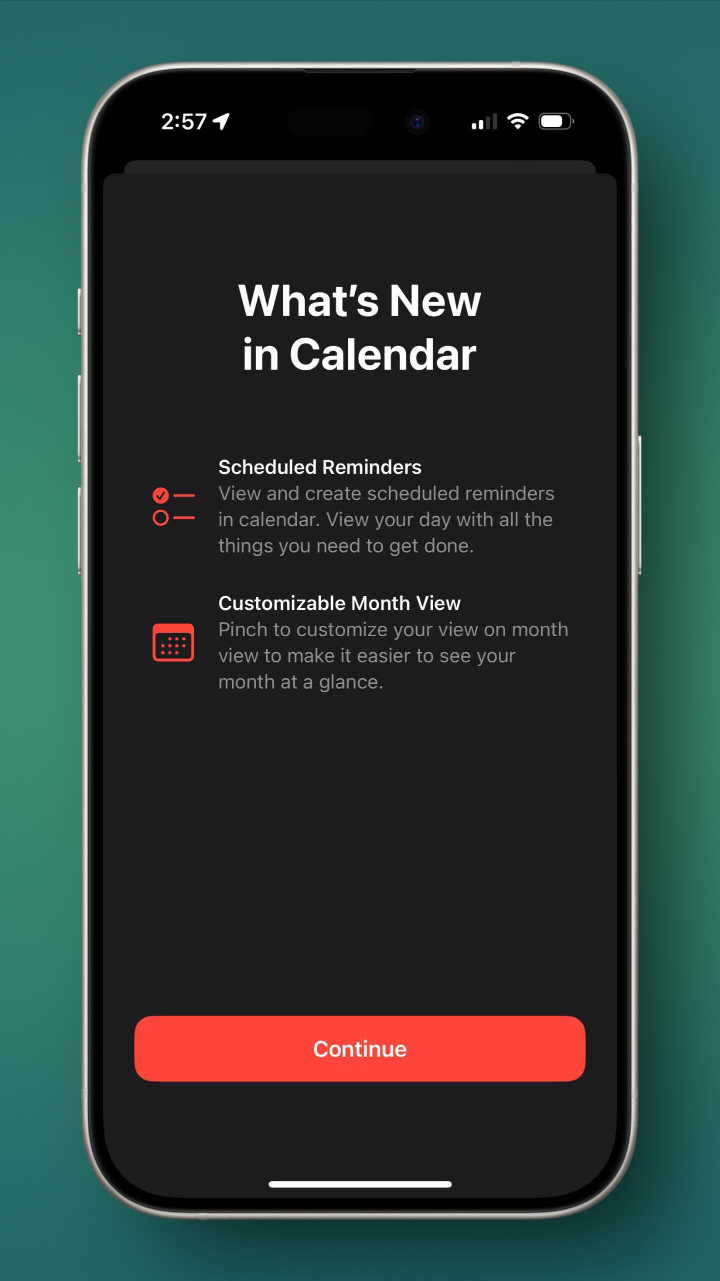
What's new in Calendar? Perhaps a 13th month?
Did I inquire about Copilot? No. The company wants me to use it, not the other way around.
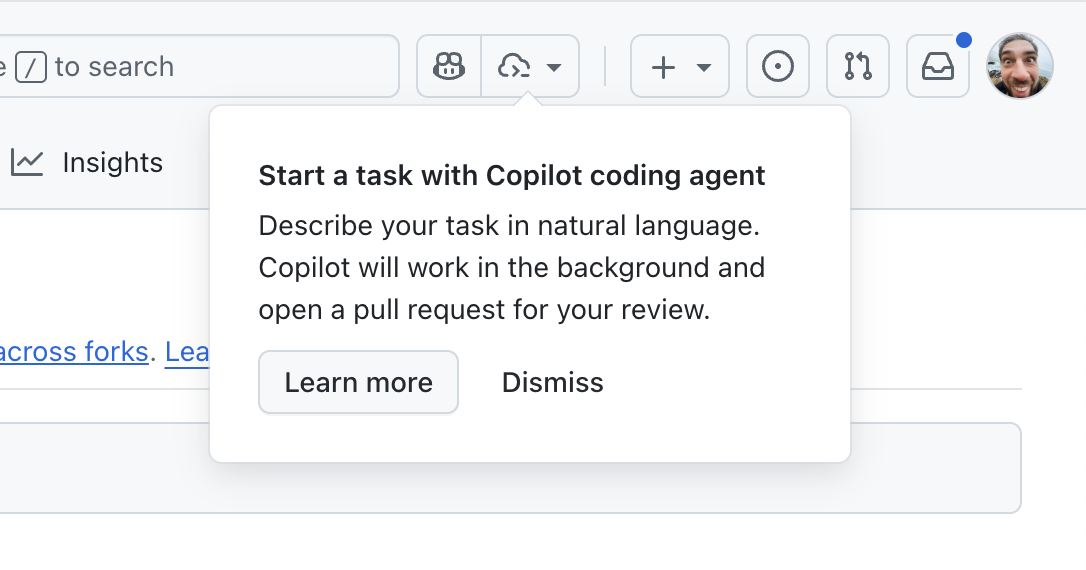
Do I care about Figma Make? Not particularly.

Yet, I am forced to be aware of it.
In Conclusion
As I once read (regrettably, the source is lost): ls never asks you to create an account or update. I wholeheartedly agree; ls is an exemplary program. It's a tool that performs its function precisely when needed and remains unobtrusive otherwise. I use it; it doesn't try to use me. This represents a healthy, balanced relationship.
Conversely, we have 'services.' These are programs that constantly update, deliver news, 'keep you informed,' and perpetually demand something from you. They even revise Terms of Service simply to remind you of their existence.
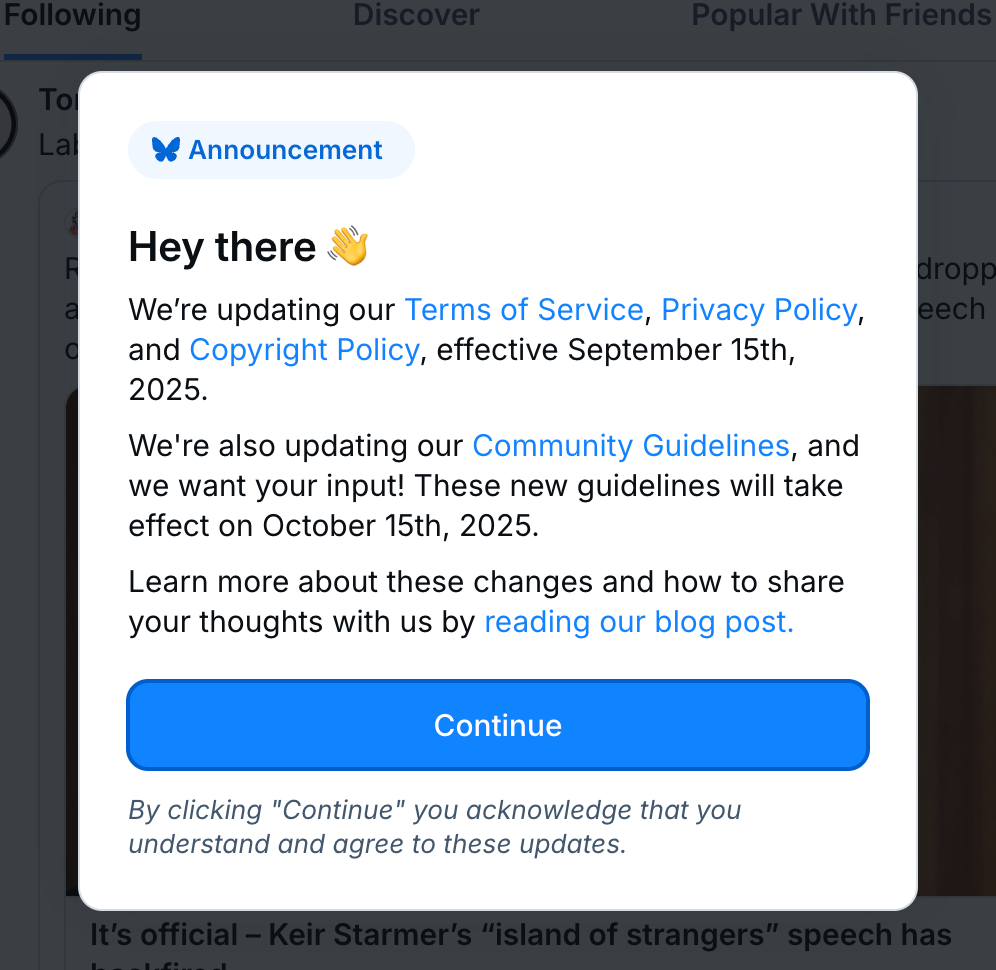
These programs often have their own agendas, attempting to make them yours. They want your attention, believing they are entitled to a share of it. They are 'pick me' programs.
Frankly, these programs are problematic. It's time to reclaim our computers and our digital autonomy.