The Paradox of Ad Blockers: Reshaping the Open Web
Explore how the rise of ad blockers has paradoxically led to more aggressive advertising, challenging web monetization and pushing content into closed ecosystems, fundamentally altering the open web.
The observation that YouTube can be watched ad-free in Albania is intriguing. While many users subscribe to premium services for an ad-free experience, a significant portion opt for ad blockers to achieve the same effect. This widespread use of ad blockers, however, has inadvertently contributed to a more aggressive advertising landscape, making the web increasingly difficult to navigate for those without such tools. This escalation is evident on many news websites, which now resemble early 2000s sites filled with intrusive pop-ups and banners. This isn't merely a matter of greed; for many publishers, it's a question of survival, as subscription models often fail to scale sufficiently. Many users, while willing to pay for a few subscriptions, find it impractical to subscribe to every content source they wish to consume.
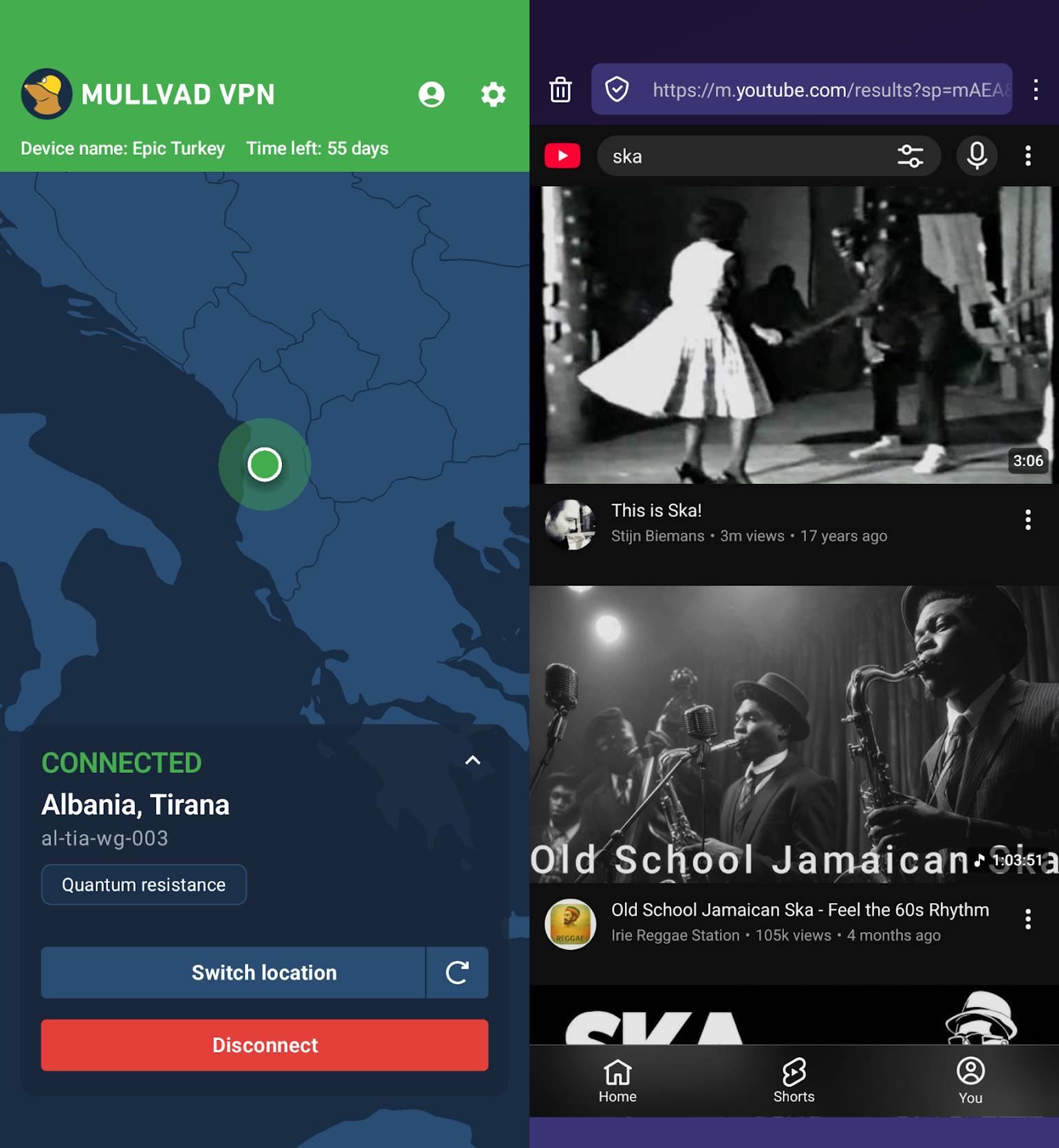

The connection is clear: increased ad blocking has led to more aggressive advertising tactics. This phenomenon isn't new; similar issues are observed on social media platforms.
The argument that ad blockers are primarily used for privacy is often a convenient defense. While privacy protection is crucial, many who champion ad blockers for this reason often neglect basic security measures on their own sites, such as proper SSL/TLS implementation, or readily use third-party “like” buttons and log in to services via major tech platforms. A genuine commitment to privacy goes beyond simply blocking ads. It's vital to differentiate between tracking prevention and ad blocking. Not all advertisements are predatory or designed for extensive user tracking. Effective tracking prevention is often integrated into operating systems (especially in Europe) or achieved through specialized browser extensions like Privacy Badger. Using a dedicated ad blocker, in many cases, is an attempt to access content without contributing financially, which ultimately harms the sustainability of the open web.
The web, fundamentally, is an open platform, not a free one. In the early days, content creators, including news organizations, incurred costs for information services, which were offset by advertising. With the advent of the internet in the mid-1990s, news became more accessible and less filtered, often published for free by companies eager to embrace the new digital frontier. Innovations like RSS (Really Simple Syndication) further empowered this open exchange. The web platform itself doesn't charge for publishing, marking a significant leap forward in content distribution. While hosting costs existed, they were manageable for businesses and individuals, often subsidized by ads on platforms like Geocities. Even then, “framebusting” scripts attempted to circumvent these ads, violating terms of service.
The primary misstep in the web's evolution was treating it like any other publishing medium. Despite cherishing its 24/7 global reach, the dominant monetization strategy remained advertising. This approach, borrowed from traditional media like radio and television, proved problematic. Examples from radio, where even time announcements were heavily sponsored, parallel the non-skippable ads prevalent on modern video platforms like YouTube. This traditional broadcast model, with its disruptive “after the break” and “before the break” segments, creates a jarring user experience that streaming services have largely mitigated.
On the web, content is distributed, but the financial transaction is largely left to the user, either through ad clicks or individual subscriptions. Efforts for micro-payment solutions, such as Flattr, never gained mainstream adoption or integration into operating systems. A more seamless, aggregate payment system, where users pay a single sum monthly distributed to publishers based on consumption, would be ideal, mirroring how one might skim a physical newspaper before purchase.
The rise of Google amplified the ad-driven model. Early web publishers could generate significant income from banner ads, carefully vetting providers to ensure relevance. However, this also led to the proliferation of “linkfarming” and “Black Hat SEO” (Search Engine Optimization) tactics, where content was scraped and saturated with ads by third parties, diminishing quality and user experience. This exploitation fueled the widespread adoption of ad blockers.
As ad blocker usage surged, many legitimate publishers, seeing their ad revenue dwindle to nothing, removed ads entirely. Others, like Smashing Magazine, were forced to entirely rethink their monetization strategies. Simultaneously, search engines, notably Google, shifted from being a gateway to relevant information to a platform heavily saturated with ads and sponsored content, often pushing organic search results deep into subsequent pages. The consequence is a web search experience that is increasingly less useful, leading companies to retreat from the open web into closed ecosystems that promise AI-driven content delivery, even as these new platforms begin to explore unblockable ad content.
While the rationale behind using ad blockers is understandable—it feels like finding a clever workaround—it’s crucial to recognize the long-term impact on content creators and the open web ecosystem. Supporting content creators, whether through direct payment or by engaging with non-intrusive advertising, is essential for a healthy digital future.