Understanding Maximalism in 90s Web Design
Explore maximalism in 90s web design, a 'more-is-more' aesthetic characterized by visual overload. Learn its origins, key traits, and how it contrasts with modern minimalism.
Understanding Maximalism in 90s Web Design
Table of Contents
- Why Maximalism Emerged in the 90s
- Visual Traits of 90s Maximalism
- Maximalism vs. Minimalism in UX
- What Designers Can Learn Today
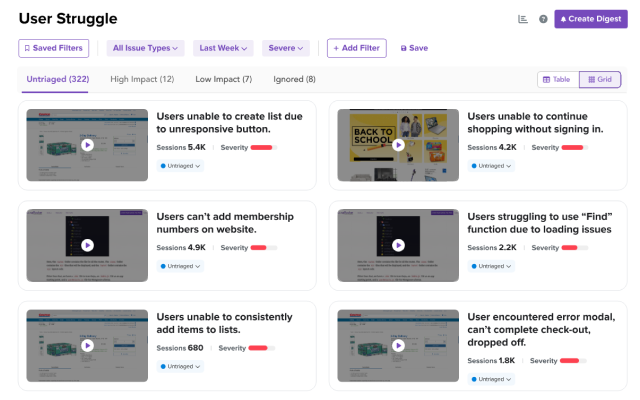
Introducing Galileo AI
LogRocket's Galileo AI meticulously monitors every user session, automatically highlighting significant user struggles and identifying key behavioral patterns.
LEARN MORE
Maximalism represents a "more-is-more" philosophy in web design, where screens are densely populated with extensive ornamentation. This includes abundant text, clashing colors, intricate patterns, numerous images, dynamic animations, and diverse textures, all contributing to an intentional visual overload and an energetic sense of abundance.
Why Maximalism Emerged in the 90s
Maximalism in 90s web design arose primarily as a creative response to two contrasting forces: the technical limitations of limited bandwidth and a burgeoning desire for highly expressive personal websites. This "everything-at-once" aesthetic vibrantly captured the spirit of digital discovery. Many early websites were personal homepages, where the novelty of showcasing new technology features and individual self-expression took precedence over refined polish or strict usability standards.

Over 200,000 developers and product managers rely on LogRocket to craft superior digital experiences.

Learn more →
Visual Traits of 90s Maximalism
Maximalist web pages from the 90s exuded a bold, unmistakable energy. Designers frequently combined colors, textures, and motion in ways that, while often chaotic, were undeniably memorable, leaving a lasting impression on early internet browsers.
- Bright Color Clashes: Neon hues and striking contrasts were employed to capture attention on lower-resolution screens.
- Dense Text Blocks: Pages were often overloaded with minimal spacing, mixing various fonts and sizes for emphasis.
- Animated GIFs: Flashing icons, spinning logos, and ubiquitous "Under Construction" signs added constant, dynamic motion.
- Textured or Tiled Backgrounds: Repeating patterns or images were used to create visual noise and perceived depth.
Maximalism vs. Minimalism in UX
Comparing maximalism with contemporary minimalism strikingly reveals how significantly design priorities have evolved. Where early web designers prioritized expression and visual abundance, today's UX focuses intently on clarity, hierarchical structure, and the purposeful application of every visual element.
| Trait | Maximalism (1990s) | Minimalism (2020s UX) |
|---|---|---|
| Color palette | Bright, clashing neon hues | Muted tones, strategic accent colors |
| Text density | Dense blocks, overlapping content | Sparse, scannable text with clear hierarchy |
| Visual elements | Abundant GIFs, icons, and decorative clutter | Purposeful imagery, restrained use of animation |
| Backgrounds | Tiled textures, gradients, image-based backgrounds | Flat or subtle backgrounds with high contrast |
| Typography | Multiple fonts, inconsistent design | Limited font families, consistent scaling |
| Layout | Table-based, rigid, segmented zones | Grid/Flexbox layouts with fluid responsiveness |
| Accessibility | Often ignored (e.g., low contrast) | WCAG-compliant, semantic HTML, inclusive design |
What Designers Can Learn Today
Maximalism emerged at a time when the internet was a nascent, democratic space where anyone could create a webpage. Its aesthetics favored showcasing individual personality and fostering experimentation.
By studying 90s maximalism, we can see how integrating personality and experimental flair can still inform modern design. It teaches us how to strike a balance between boldness and usability, creating digital experiences that are both enjoyable and highly functional.
LogRocket helps you gain profound insights into how users experience your product, eliminating the need to sift through hundreds of session replays or interview dozens of customers.
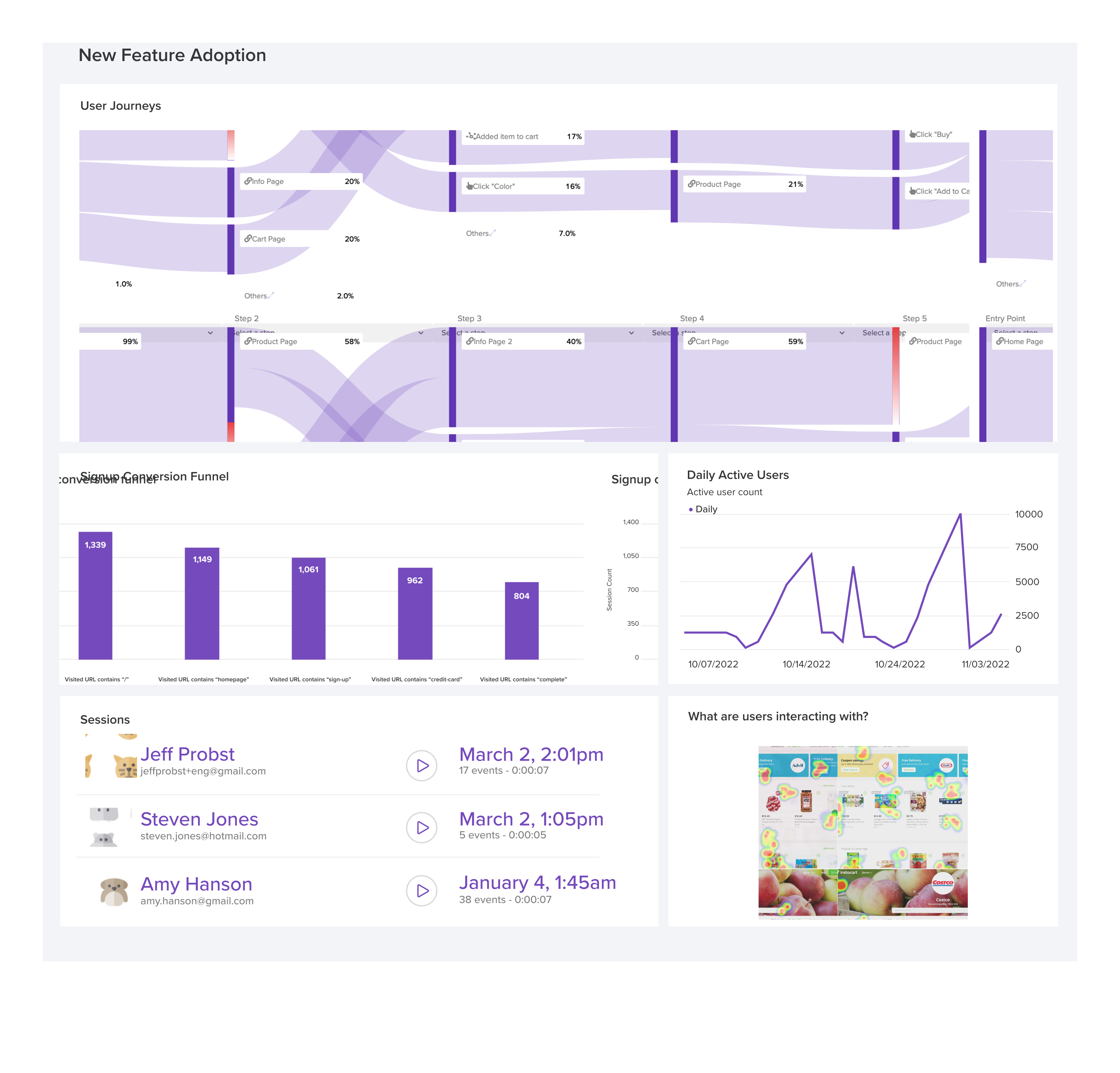
LogRocket's Galileo AI observes user sessions and interprets feedback for you, automating the most time-intensive aspects of your job and freeing you to concentrate on exceptional design.
Discover how design choices, interactions, and issues truly impact your users – get a demo of LogRocket today.